
Looking For Types of Precious Stones? Here Are 10 Things You Should Know About Their Cultural Meanings
- SIANNA LEAVY

- Mar 29
- 5 min read
When we discuss gemology, we often focus on the "four Cs": cut, color, clarity, and carat. However, at Gemthropology, we believe that a gemstone is more than just a mineral specimen defined by its chemical composition or its Refractive Index. To truly understand a gemstone, one must look at it through the lens of anthropology. Every stone is a cultural artifact, a silent witness to human history, social hierarchy, and spiritual evolution.
If you are looking for different types of precious stones, you aren't just looking for beauty; you are looking for a connection to the past. Here are 10 essential insights into the cultural meanings and historical significance of the world’s most coveted gems.
1. The Social Construction of "Preciousness"
In the modern market, we strictly categorize diamonds, rubies, sapphires, and emeralds as "precious," while all others are labeled "semi-precious." However, this distinction is largely a 19th-century commercial construction rather than a scientific one. From an anthropological perspective, "preciousness" is determined by what a culture values at a specific moment in time.
For instance, in ancient Maya civilization, jade was considered far more valuable than gold because it represented life-giving water and the breath of the ancestors. To understand gemstones, we must first recognize that their value is a reflection of human belief systems and scarcity narratives.
2. Diamonds: From "Unconquerable" to Symbols of Status
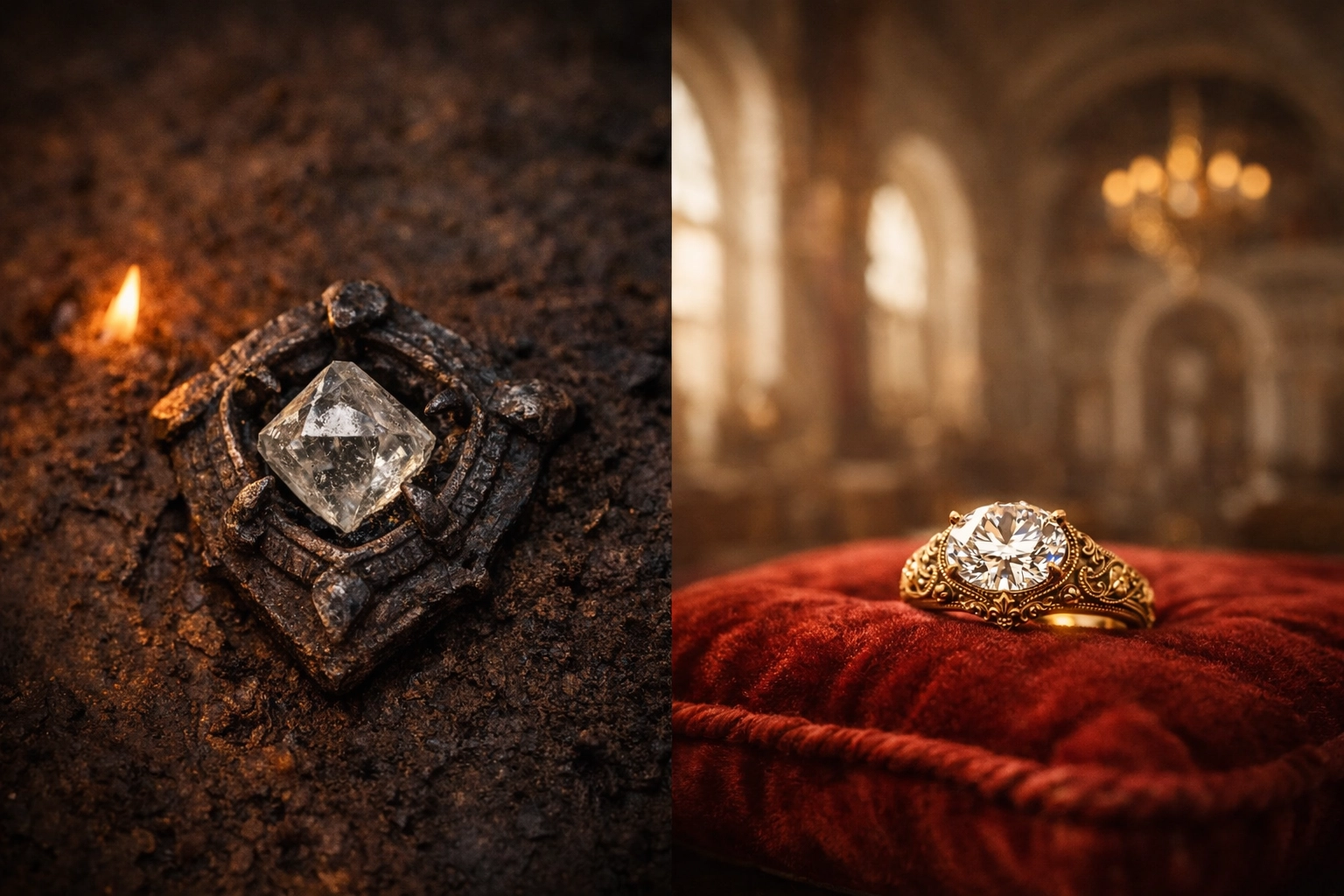
The word "diamond" comes from the Greek adamas, meaning "unconquerable" or "invincible." Historically, diamonds were not the sparkling centerpieces of engagement rings that they are today. In ancient India, where the first diamonds were discovered in the Golconda mines, they were used as talismans to ward off evil and were believed to grant the wearer invincibility in battle.
It wasn't until the Archduke Maximilian of Austria gave a diamond ring to Mary of Burgundy in 1477 that the stone began its long journey toward becoming the ultimate symbol of romantic commitment. At Gemthropology, we explore how this shift from "warrior’s talisman" to "romantic token" reflects broader changes in Western social structures.
3. Rubies and the Symbolism of Life Force
Rubies have long been associated with the essence of life itself: blood. In ancient Sanskrit, the ruby is called ratnaraj, or "king of precious stones." Many ancient cultures believed that rubies contained an internal flame that could not be extinguished.
In Burmese lore, warriors would go as far as to insert rubies into their flesh to become physically invincible, believing the stone would harmonize with their own blood. This historical use highlights a recurring theme in human history: the use of gemstones to bridge the gap between the physical body and spiritual protection. You can see how these traditions of protective adornment continue today in our stone bracelets collection.
4. Sapphires: Windows to the Heavens
For millennia, the sapphire has been the stone of the clergy and royalty. Its deep blue hue was seen as a literal piece of the sky, a "celestial" stone that connected the earthly realm to the divine. In the Middle Ages, European bishops wore sapphire rings to symbolize their proximity to God.
Beyond spirituality, sapphires were also believed to protect the wearer from envy and fraud. This cultural history demonstrates how gemstones have functioned as "moral anchors," where the physical purity of the stone was expected to manifest as moral purity in the wearer.
5. Emeralds: The Verdant Cycle of Rebirth
Emeralds are unique among precious stones for their "jardin": the internal inclusions that resemble a garden. This physical trait deeply influenced their cultural meaning. In ancient Egypt, Cleopatra was famously obsessed with emeralds, viewing them as symbols of fertility and the eternal rebirth of the Nile.
Because emeralds are more fragile than diamonds or sapphires, their survival over centuries of wear was often seen as a sign of divine favor. To wear an emerald was to align oneself with the regenerative powers of nature, a philosophy we continue to honor in our about section.
6. Lapis Lazuli and the Ancient Cosmetics of Power
While technically a rock rather than a single mineral, Lapis Lazuli was the "precious" stone of the ancient world, often rivaling gold in value. In Mesopotamia and Egypt, it was ground into powder for cosmetics and used in the funeral mask of Tutankhamun.
The deep blue with gold pyrite flecks was interpreted as the night sky filled with stars. This stone represents one of the earliest examples of "gemthropology": the use of a mineral to create a visual language of power that spanned across continents, from the mountains of Afghanistan to the palaces of the Pharaohs.
7. Gemstones as Protective Talismans
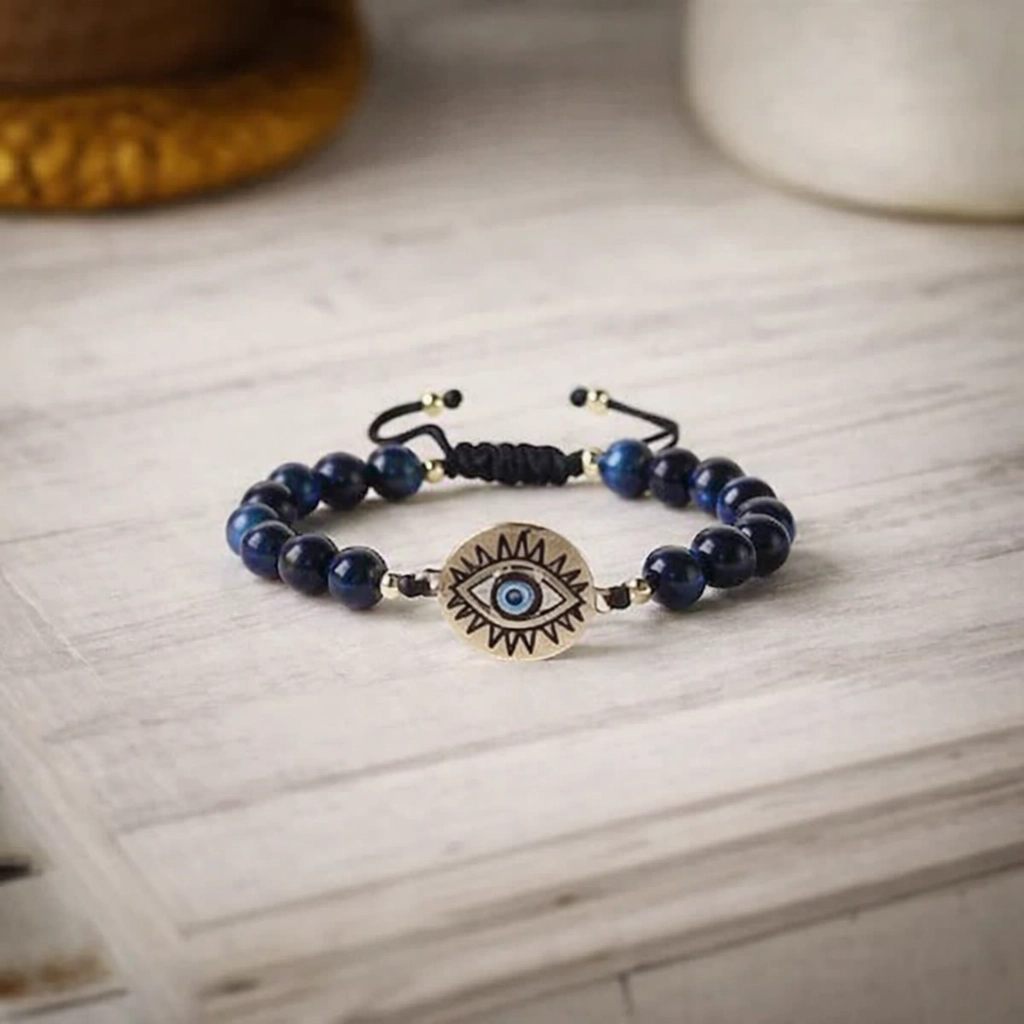
The intersection of gemology and anthropology is most evident in the use of stones for protection. Throughout history, gemstones have been used to ward off the "Evil Eye," a malevolent glare believed to cause misfortune.
Different cultures selected different stones for this purpose, but the intent remained the same: using the earth's minerals as a shield. Today, this tradition lives on in modern jewelry design, where ancient symbols are paired with specific stones to provide both beauty and a sense of security.
8. The Language of Color and Emotional Resonance
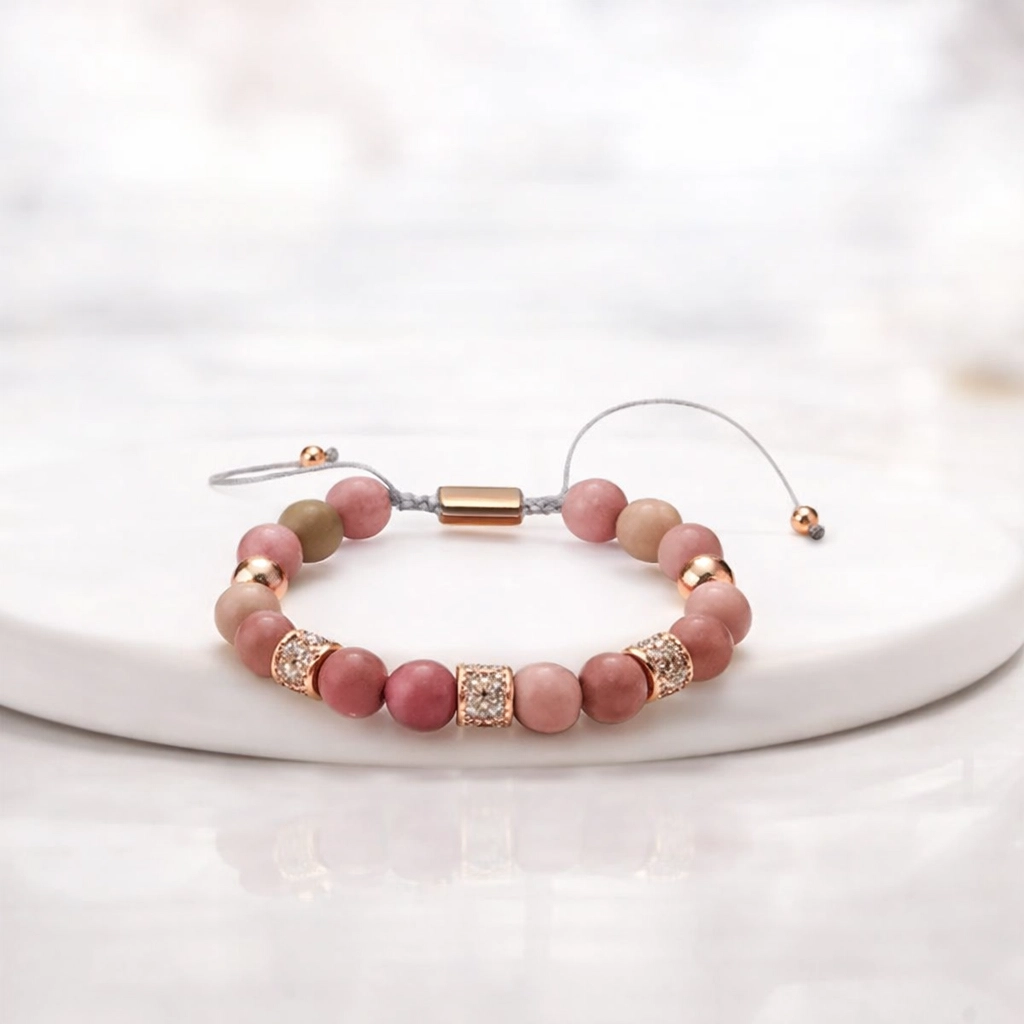
The way a culture perceives color often dictates which stones it prizes. For example, pink gemstones like rhodochrosite have historically been associated with the "heart" and compassion across various indigenous South American traditions.
In modern jewelry education, we teach that the value of a stone isn't just in its rarity, but in its ability to evoke a specific emotional state. When you choose a piece of jewelry, you are participating in an age-old human tradition of using color to communicate your internal world to the external public.
9. Technological Evolution and the "New" Precious
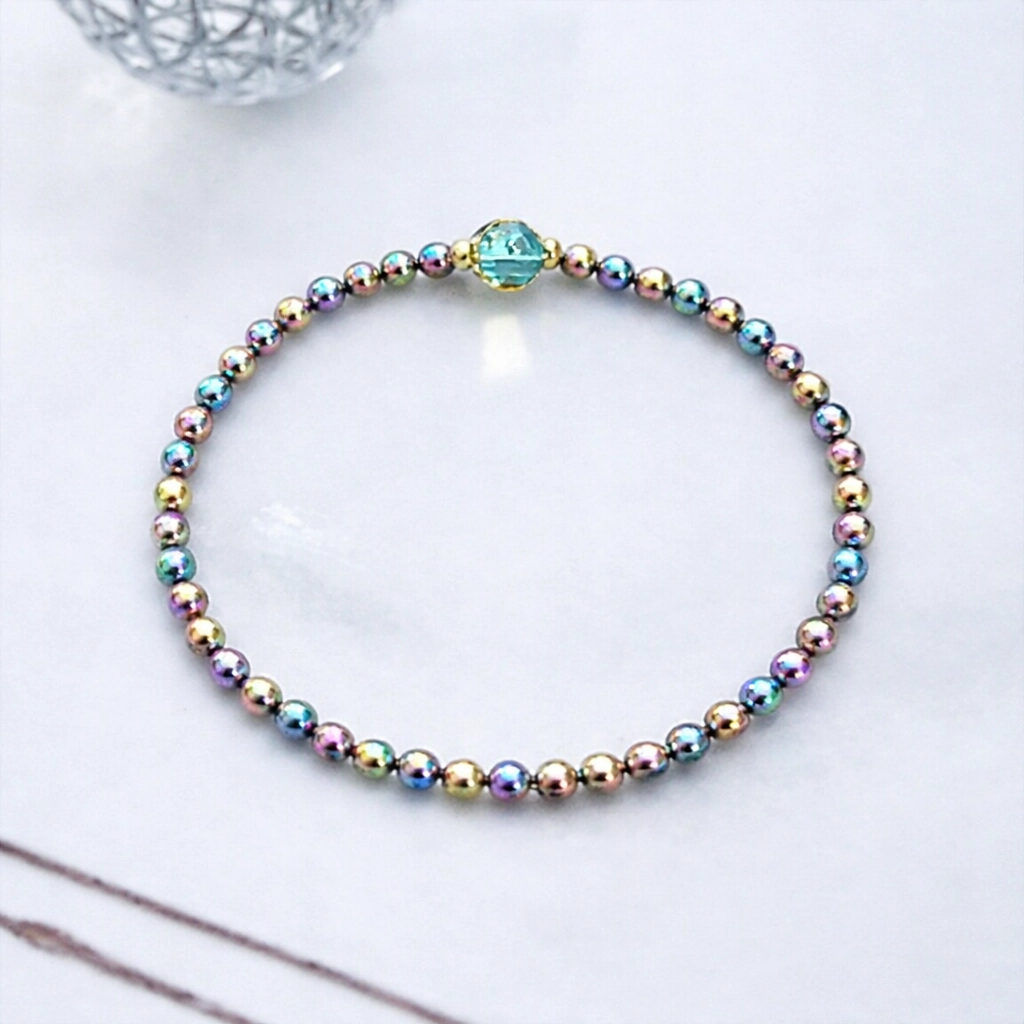
As our ability to manipulate minerals has grown, so has our definition of what is wearable art. The introduction of lab-grown stones and specialized color treatments (like iridescent coatings) has sparked a new anthropological debate: Does the value of a stone lie in its natural origin, or in the human ingenuity used to create it?
At Gemthropology, we treat these modern developments as the next chapter in the history of human adornment. Whether it is an iridescent bead or a high-grade sapphire, the way we treat and wear these materials reflects our current cultural values regarding technology and sustainability. You can explore our contemporary takes on these materials in our shop.
10. Building a Meaningful Collection
The final thing to know about precious stones is that their most important "cultural meaning" is the one you assign to them. While history gives us a framework: diamonds for strength, rubies for passion, emeralds for growth: your personal connection to a stone is what makes it a true artifact.
When you purchase a piece of jewelry, you are not just acquiring a mineral; you are participating in a lineage of human expression that dates back to the first humans who picked up a colorful pebble from a riverbed. Our mission is to provide the education necessary for you to build a collection that is rich in both scientific value and cultural depth.
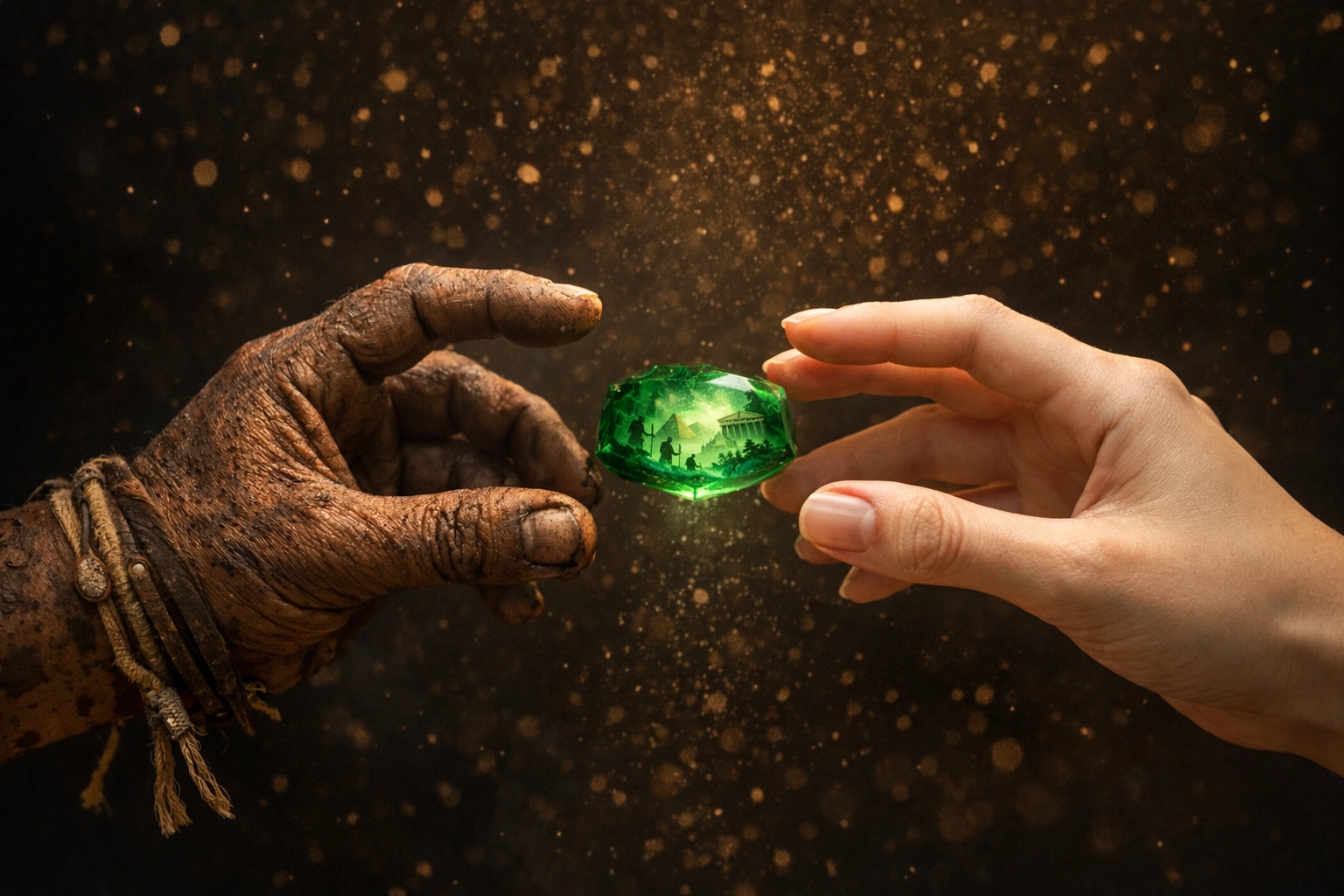
Conclusion: Why Gemthropology Matters
Understanding types of precious stones requires more than a magnifying glass; it requires a curiosity about the human spirit. By studying the cultural meanings of these stones, we move beyond the consumerist surface and into the heart of what makes us human.
Whether you are a seasoned collector or just beginning your journey into jewelry education, remember that every stone you hold has a story that spans millennia. To learn more about our approach to the intersection of science and culture, visit our about page or explore our current exhibits.
Comments